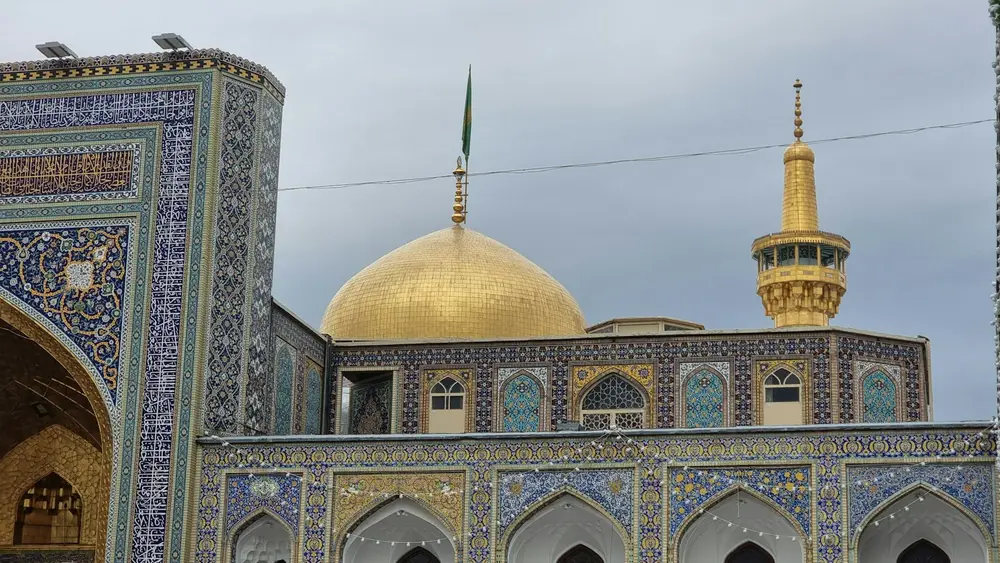
The best time to visit Mashhad for most pilgrims is autumn (late September to mid-November) or late spring (May and June): the weather is mild, schools are in session and the shrine is calmer. If you want the atmosphere of the big occasions, Nowruz, Dahe-ye Karamat and the last ten days of Safar are the peaks, so book early. Winter is cold but quiet; summer is hot and busy.
Last checked: October 2026. Religious dates follow the lunar calendar and move about 11 days earlier each year. Flights in Iran were suspended for a period in 2026 and resumed in phases (Mashhad airport was cleared for international flights again from late April 2026). Check the live flight status and fare on the site before you buy.
This post only answers "when should we go?". For sights, getting around and visiting the shrine, read the Mashhad travel guide.
- Best weather: May, June, and late September to mid-November. Warm, pleasant days and cool nights.
- Quietest months: November to mid-March, outside public holidays.
- Busiest times: Nowruz, Dahe-ye Karamat, the end of Safar and the summer school holidays.
- Best value: weekdays in the quiet season, when hotels and seats are easier to find.
Mashhad sits about 1,000 m above sea level in a semi-arid climate: dry, sunny summers with mild nights, and cold winters with nights below freezing and occasional snow. Most rain falls from February to May; June to September is almost completely dry. The temperatures below are long-term averages (1991–2020, NOAA and the Iran Meteorological Organization), rounded; any given year can differ by a few degrees.
Mashhad weather, crowds and events by month (approximate)| Month | Avg high / low | Weather | Crowds | Events |
|---|
| January | 9° / −2 °C | Cold, chance of snow | Low | — |
|---|
| February | 11° / 0 °C | Cold, some rain or snow | Low | Revolution Day holiday (around 11 Feb) |
|---|
| March | 16° / 4 °C | Changeable, wettest month | Low, then very high | Nowruz from about 20–21 March |
|---|
| April | |
|---|
Spring opens with Nowruz, and until the 13th day of the new year (early April) the city and the shrine are at their busiest. After that, late April to June is one of the best times to go: neither cold nor hot, and the walk to the shrine is a pleasure. Just check the dates of Dahe-ye Karamat, which falls in spring in these years.
Mashhad in summer: hot, dry and full
In July and August daytime highs reach about 35 °C, but the air is dry and nights drop to about 20 °C, so many pilgrims visit the shrine after dark. School holidays, and in 2026 and 2027 the end of Safar, make summer the busiest season after Nowruz. The open courtyards have little shade at midday; go out early and after sunset.
Autumn is the best season for a calm visit. Late September and October are warm and pleasant, November is sunny and cool, and by December it is properly cold. With schools and universities back, family travel drops and hotels near the shrine usually have more space. Pick weekdays if you can.
Mashhad in winter: cold and quiet
January and February are the coldest months; nights are usually below freezing and snow is possible. In return the courtyards are quiet and the shrine under snow is beautiful. If you can handle the cold, winter is one of the best-value times to travel. Snow can delay flights and roads, so leave a spare day.
The Iranian solar calendar is fixed, but religious occasions follow the lunar Hijri calendar and arrive about 11 days earlier each year. The 2026 dates below are from Iran's official calendar; the 2027 dates are estimates, so confirm them against the official calendar before you book.
Nowruz, the Persian New Year around 20–21 March, is the biggest peak. From mid-March to early April, train seats, flights and hotel rooms sell out faster than at any other time, and the shrine queues are long. If Nowruz is your only window, book weeks ahead.
Dahe-ye Karamat and Imam Reza's birthday
Dahe-ye Karamat runs from the birthday of Lady Masumeh (1 Dhu al-Qa'dah) to the birthday of Imam Reza (11 Dhu al-Qa'dah). In 2026 it ran from 19 to 29 April. In 2027 expect it about 11 days earlier, in early to mid April, close to the Nowruz holidays. The shrine is lit up and holds celebrations.
The end of Safar, and above all the anniversary of Imam Reza's martyrdom, brings the biggest crowds after Nowruz; many pilgrims walk to Mashhad from nearby towns. In 2026 the Prophet's death anniversary (28 Safar) fell on 12 August and Imam Reza's martyrdom on 13 August. In 2027 these days will fall around late July or early August. Hotels near the shrine and trains to Mashhad fill months ahead.
Summer holidays and weekends
Every Thursday and Friday (Iran's weekend) and every long public holiday adds to the crowds. If you are flexible, travel Saturday to Wednesday.
How the season affects hotels and fares
Demand sets the price of Mashhad hotels and tickets. During Nowruz, Dahe-ye Karamat and the end of Safar, hotels near the shrine fill first and rates rise; from November to February, outside holidays, there is usually more choice and better deals. In peak season a hotel slightly further out but near the metro is often the smarter option. Compare neighbourhoods in our guide to hotels near the Imam Reza shrine and check live rates on Mashhad hotel booking.
Overnight trains sell out before flights in the busy season. Coming from Tehran? The Tehran to Mashhad train guide compares the trains and journey times; see open seats in the train ticket search.
- Spring: a light jacket or windbreaker, a small umbrella (especially in March and April) and comfortable waterproof shoes.
- Summer: loose, long-sleeved cotton, a hat, sunglasses, sunscreen and a water bottle. No warm layer needed at night.
- Autumn: layers: a sweater in October, a light padded jacket and scarf for November evenings.
- Winter: a warm coat, gloves, a hat, wool socks and shoes with grip; the courtyard stone gets slippery in snow.
- All year: women need a chador to enter the shrine's inner halls. Bring a shoe bag, a power bank and any medicines.
- Weekdays from October to January, outside public holidays and lunar occasions.
- The first two weeks of March, before the Nowruz rush.
- May and June, outside Dahe-ye Karamat and long weekends.
- Any season: the shrine is open around the clock, and it is calmest around midnight and just after dawn prayers.
For travellers from Afghanistan, the visa matters more than the season. According to reports from June 2026, tourist visas for Afghan passport holders had not been issued for some time; ask only official channels and don't buy a ticket before the visa is granted. See our guide to the Iran visa for Afghan citizens.
With a visa in hand, October–November or May–June are the best choices: mild weather and a calmer shrine. Crossing overland from Herat is harder in the January–February cold, when flying is the more comfortable option. For direct routes and airlines that have flown it, read about Kabul to Mashhad flights.
For weather and smaller crowds, October and early November, followed by May and June. Check that year's Dahe-ye Karamat dates and public holidays first.
Cool and sunny, with average highs around 16 °C and lows around 4 °C. Nights get colder towards December, so pack a jacket.
Nowruz (mid-March to early April), the last ten days of Safar and Dahe-ye Karamat. In 2027 both lunar occasions arrive about 11 days earlier than in 2026.
If you don't mind the cold, yes: the shrine is quiet, hotels have more space and the snow is beautiful. Allow for possible flight delays on snowy days.
There is no fixed price, but demand is usually lower outside Nowruz and the end of Safar. Compare live fares in afghani or dollars in the flight search.
Plan this trip
MHDMashhadIran
Compare Mashhad flights for quieter dates; check the flight status before you buy.
Whatever season you choose, keep the Mashhad travel guide to hand for day plans, airport transfers and nearby sights.